Our History
Neapolitan tradition, Mediterranean passion.
The Soul of Naples
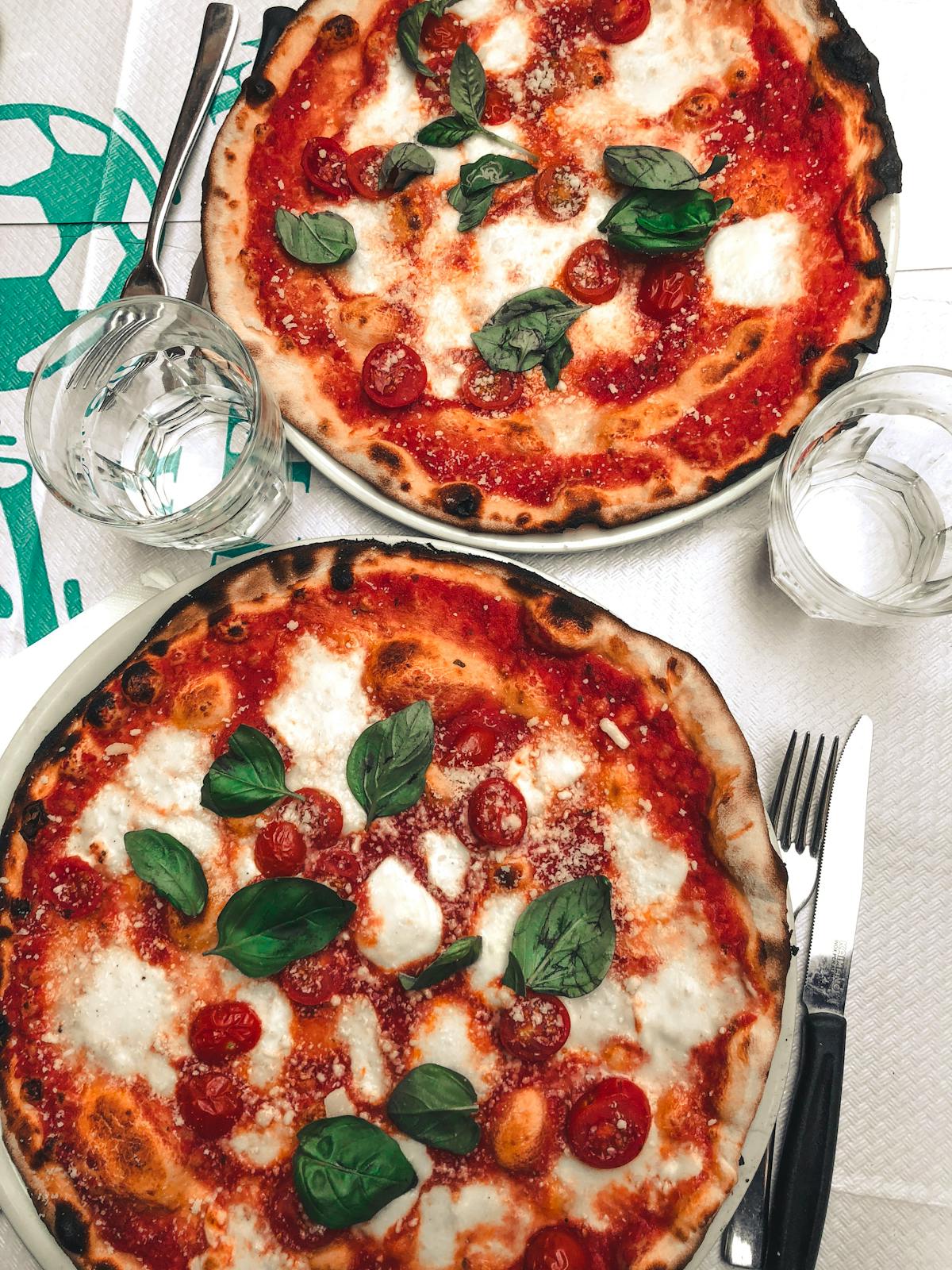
Pizza was born in the streets of Naples over two hundred years ago — not in palaces or grand restaurants, but in the humble hands of pizzaioli who kneaded dough at dawn to feed a city waking up hungry. It was popular food, direct and unpretentious: dough stretched over hot stone, freshly crushed tomato, a drizzle of oil. The first Margherita, legend has it, was created in 1889 for the queen of the same name, bearing the colours of the Italian flag: red tomato, white mozzarella, green basil.
During the 20th century, Neapolitan emigrants carried their tradition to America, Argentina, and across Europe. But in Naples, the master pizzaioli held firm: the Vera Pizza Napoletana has its own rules, its own fermentation times, its own crust thickness, its exact baking temperature. In 1984, the Associazione Verace Pizza Napoletana was founded to protect that legacy. It is not just a recipe: it is a heritage recognised by UNESCO in 2017.
Today, in a world of fast food and thirty-minute deliveries, defending authentic pizza is almost an act of cultural resistance. It requires time, tipo 00 flour, tomatoes grown in the volcanic soil of Vesuvius, an oven reaching four hundred and eighty degrees, and a pizzaiolo who knows exactly when to take the pizza out: not a second too early, not a second too late.

Giuseppe Ferrante
Fondatore · Don Geppeto · 1987
The Man Behind the Oven
Giuseppe Ferrante was born in 1952 in the Neapolitan neighbourhood of Quartieri Spagnoli, where the streets are so narrow that sunlight only enters in summer and the smell of pizza soaks the cobblestones from dawn. His father was a pizzaiolo, and his grandfather before him. By the age of twelve, Giuseppe was already stretching dough in the family pizzeria.
In 1985, aged thirty-three, with a dream bigger than his neighbourhood, Giuseppe arrived in Barcelona with a suitcase, a recipe memorised by heart, and hands toughened by years in front of the oven. Two years later, in 1987, he opened Don Geppeto in the Fort Pienc neighbourhood, with four tables, a wood-fired oven he built himself with stones brought from Vesuvius, and the conviction that Barcelona deserved to know real pizza.
Thirty-eight years on, Giuseppe still comes every morning to check the dough. He says a pizza talks to you if you know how to listen: the sound as you stretch it, the colour as it comes out of the oven, the aroma that fills the room. His son Marco and granddaughter Sofia are already working in the pizzeria. The tradition continues.
"A pizza talks to you if you know how to listen."